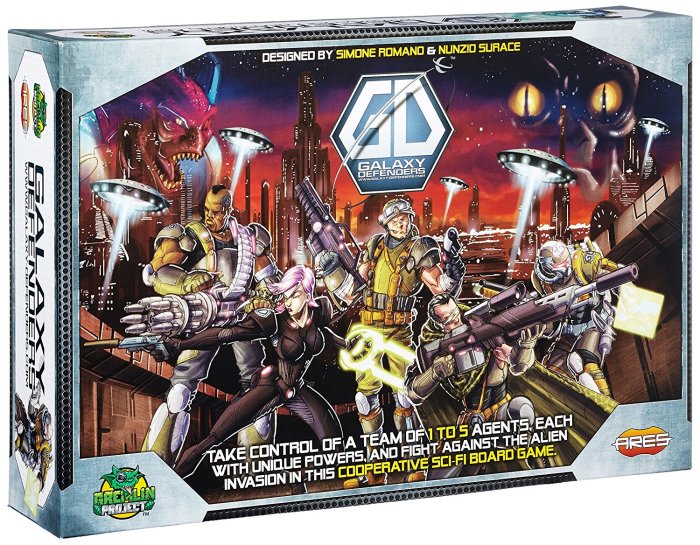
Sci-fi board games with cooperative play take players on thrilling interstellar adventures where teamwork and strategy are key. Dive into a universe where collaboration is the ultimate weapon against extraterrestrial foes and challenges, making every game night an epic journey through the cosmos.
Overview of Sci-fi Board Games with Cooperative Play
Cooperative play in board games involves players working together towards a common goal, instead of competing against each other. This fosters teamwork, communication, and strategizing as players collaborate to overcome challenges and achieve victory.
Popular Sci-fi Board Games with Cooperative Gameplay
- 1. Pandemic: In this game, players take on the roles of disease-fighting specialists aiming to stop global outbreaks and find cures.
- 2. Forbidden Desert: Players work together to survive in a desert setting, finding a way to repair their ship and escape before time runs out.
- 3. Space Alert: Players are crew members on a spaceship, facing various threats that must be dealt with in real-time coordination.
Appeal of Cooperative Play in the Sci-fi Genre
Cooperative play in the sci-fi genre offers a unique experience where players can immerse themselves in futuristic settings and face challenging scenarios together. It encourages communication, teamwork, and problem-solving skills, making the gaming experience more engaging and rewarding.
Mechanics in Sci-fi Cooperative Board Games
Cooperative board games set in a sci-fi theme often incorporate specific game mechanics to enhance the collaborative gameplay experience. These mechanics are designed to encourage players to work together towards a common goal, fostering teamwork and strategic decision-making.
Common Game Mechanics in Sci-fi Cooperative Board Games
- Role Assignment: Players take on different roles or characters with unique abilities and skills, requiring cooperation to utilize each character’s strengths effectively.
- Resource Management: Managing limited resources such as supplies, energy, or ammunition is crucial for survival and progress in the game.
- Hidden Information: Some games incorporate hidden information that must be shared among players to make informed decisions and overcome challenges.
- Time Pressure: Introducing a time limit or pressure adds tension to the gameplay, forcing players to act quickly and efficiently.
- Scenario-based Gameplay: Games may feature scenarios or missions with specific objectives that players must achieve together to win.
Cooperative Play vs. Competitive Play Mechanics
- In cooperative play, the mechanics focus on collaboration, communication, and teamwork to achieve a shared victory, whereas competitive play emphasizes individual strategy, deception, and outsmarting opponents.
- Cooperative games often have mechanics that encourage players to assist each other, share information openly, and collectively solve challenges, fostering a sense of camaraderie and unity.
- Competitive games, on the other hand, may involve mechanics that promote rivalry, conflict, and direct competition between players, leading to a more cutthroat and confrontational gameplay experience.
Enhancing the Cooperative Experience in Sci-fi Games
- Collaborative Goals: Mechanics that require players to work towards common objectives rather than individual victories promote cooperation and mutual support.
- Special Abilities: Unique character abilities that complement each other encourage players to strategize and coordinate their actions for optimal results.
- Shared Information: Mechanics that involve sharing information openly among players foster communication and trust, essential elements of effective teamwork.
- Difficulty Scaling: Games with adjustable difficulty levels based on player performance ensure a challenging but rewarding cooperative experience for all skill levels.
Role of Storytelling in Sci-fi Cooperative Board Games
Storytelling plays a crucial role in creating immersive gameplay experiences in sci-fi cooperative board games. By weaving a compelling narrative into the gameplay, players are drawn into the world of the game, enhancing their overall gaming experience. Let’s delve deeper into how storytelling elements are integrated into sci-fi cooperative board games and how they enrich the cooperative aspect of gameplay.
Integration of Storytelling Elements
In sci-fi cooperative board games, storytelling elements are often incorporated through various mediums such as flavor text on cards, scenario books, or event decks. These elements provide context for the players’ actions, creating a rich narrative backdrop for the game.
By immersing players in a detailed and engaging story, these games go beyond mere mechanics to evoke a sense of adventure and urgency.
- Flavor Text: Flavor text on cards or components can provide snippets of the game world’s lore, adding depth to the gameplay experience.
- Scenario Books: Many sci-fi cooperative board games come with scenario books that Artikel the overarching plot of the game. Players progress through different scenarios, each with its own narrative arc and challenges.
- Event Decks: Event decks in cooperative board games often introduce unexpected twists and turns in the story, keeping players on their toes and requiring strategic decision-making to overcome obstacles.
Enhancing the Cooperative Aspect, Sci-fi board games with cooperative play
Narrative elements in sci-fi cooperative board games not only immerse players in the game world but also foster cooperation among players. The shared goal of advancing the story and overcoming challenges encourages communication, teamwork, and strategic planning among players. By working together to progress through the narrative, players develop a sense of camaraderie and shared accomplishment.
“Storytelling in sci-fi cooperative board games serves as the glue that binds players together, fostering a sense of unity and collaboration towards a common goal.”
Cooperative Strategy and Teamwork
In sci-fi cooperative board games, strategy and teamwork play a crucial role in determining the success of the players in overcoming various challenges and completing objectives together. Effective collaboration and decision-making are essential components that can make or break the game for the team.
Significance of Strategy and Teamwork
Cooperative strategy and teamwork are essential in sci-fi board games as they require players to work together towards a common goal. By strategizing and coordinating their moves, players can maximize their chances of success and tackle complex challenges effectively. This cooperative element adds an extra layer of depth and excitement to the gameplay experience.
- Players must communicate effectively to share information, plan their actions, and coordinate their moves.
- Teamwork allows players to leverage each other’s strengths and compensate for individual weaknesses, creating a synergistic dynamic within the team.
- Strategic thinking is key to anticipate potential obstacles, prioritize objectives, and optimize resources for the collective benefit of the team.
Tips for Effective Collaboration and Decision-Making
Effective collaboration and decision-making are essential for success in sci-fi cooperative board games. Here are some tips to enhance teamwork within the team:
- Establish clear communication channels to ensure everyone is on the same page and can share important information efficiently.
- Delegate roles based on each player’s strengths and expertise to maximize efficiency and effectiveness in tackling different aspects of the game.
- Encourage open dialogue and active listening to consider different perspectives and ideas, fostering a collaborative environment where everyone’s input is valued.
- Make strategic decisions collectively by weighing the pros and cons of each option and building consensus to move forward with the best course of action.
Strategizing Together to Overcome Challenges
In sci-fi cooperative board games, players must work together to strategize and overcome challenges that require a combination of individual skills and collective efforts. By pooling their resources, knowledge, and abilities, players can increase their chances of success and navigate through the game’s obstacles effectively.
Collaboration is key in devising a cohesive strategy that leverages the unique strengths of each team member to overcome challenges that may be insurmountable alone.
- Players can analyze the game board, assess the current situation, and formulate a plan of action that aligns with the team’s objectives and strengths.
- Utilizing each player’s special abilities and powers strategically can provide a competitive edge in confronting various in-game threats and adversaries.
- Adapting to unexpected developments and adjusting the strategy on the fly is crucial to overcoming unforeseen obstacles and achieving victory as a unified team.
Ending Remarks
Embark on cooperative missions in the vast expanse of sci-fi board games, where the bonds of teamwork and shared narratives create unforgettable gaming experiences. With strategic planning and immersive storytelling, players can conquer galaxies together, forging friendships and memories that transcend the final frontier.
Detailed FAQs: Sci-fi Board Games With Cooperative Play
How does cooperative play enhance the sci-fi gaming experience?
Cooperative play in sci-fi board games fosters a sense of camaraderie and shared goals among players, creating a more immersive and engaging gameplay where teamwork is essential for success.
What are some tips for effective collaboration in sci-fi cooperative board games?
Communicate openly with your team, delegate tasks based on each player’s strengths, and strategize together to overcome challenges efficiently.
Can competitive play elements be incorporated into sci-fi cooperative board games?
While the focus is on cooperation, some games may introduce elements of friendly competition to add an extra layer of excitement without compromising the team’s overall goal.