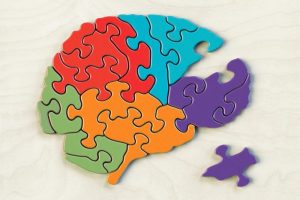
Free online puzzle games for brain training sets the stage for this enthralling narrative, offering readers a glimpse into a story that is rich in detail and brimming with originality from the outset. Dive into the world of brain training through fun and challenging puzzles!
Introduction to Free Online Puzzle Games for Brain Training
Engaging in brain training activities is essential to keep our minds sharp and improve cognitive functions. One popular method of brain training is through solving puzzles, which not only provides entertainment but also offers numerous benefits for our mental health.
Free online puzzle games are a convenient and accessible way to challenge our brains and improve problem-solving skills. These games come in various forms and difficulty levels, allowing players to choose puzzles that suit their preferences and abilities.
Benefits of Using Free Online Puzzle Games for Brain Training
- Improves cognitive abilities such as memory, concentration, and logical reasoning.
- Enhances problem-solving skills and critical thinking.
- Helps reduce stress and anxiety by providing a fun and relaxing activity.
- Boosts creativity and encourages out-of-the-box thinking.
Examples of Popular Free Online Puzzle Games for Brain Training
- Sudoku: A number puzzle game that challenges players to fill a 9×9 grid with numbers.
- Word Search: A classic puzzle where players find hidden words in a grid of letters.
- Jigsaw Puzzles: Assembling pieces to create a complete picture, stimulating visual-spatial skills.
- Crossword Puzzles: Solving clues to fill in words in a grid, testing vocabulary and general knowledge.
Types of Puzzle Games for Brain Training
Puzzle games come in various types, each offering unique challenges that can help enhance cognitive skills and mental abilities. Let’s explore different types of puzzle games and how they benefit brain training.
Jigsaw Puzzles
Jigsaw puzzles require players to assemble pieces to form a complete picture. This type of puzzle game enhances spatial reasoning, visual perception, and problem-solving skills.
Crossword Puzzles
Crossword puzzles challenge players to fill in words based on clues provided. They help improve vocabulary, memory, and cognitive flexibility by requiring players to think critically and creatively.
Sudoku
Sudoku puzzles involve filling a grid with numbers based on specific rules. This type of puzzle game enhances logical thinking, pattern recognition, and concentration skills.
Brain Teasers
Brain teasers include riddles, logic puzzles, and lateral thinking challenges. They stimulate different areas of the brain, improving memory, attention to detail, and overall cognitive function.
Matching Games
Matching games require players to find identical pairs within a set of cards or tiles. These games enhance memory, attention, and visual recognition skills, making them great for brain training.
Strategy Games
Strategy games like chess or tower defense games involve planning, critical thinking, and decision-making. They help improve problem-solving skills, strategic thinking, and mental agility.
Word Search, Free online puzzle games for brain training
Word search puzzles task players with finding hidden words in a grid of letters. They enhance vocabulary, pattern recognition, and attention to detail, making them effective for brain training.
Comparison of Puzzle Game Types
Each type of puzzle game offers unique benefits for brain training. While jigsaw puzzles improve spatial reasoning, crossword puzzles focus on vocabulary and cognitive flexibility. Sudoku enhances logical thinking, while brain teasers stimulate various cognitive functions. Matching games improve memory, attention, and visual recognition, while strategy games enhance problem-solving skills and critical thinking.
Word search puzzles are great for improving vocabulary and attention to detail. Overall, a combination of different puzzle game types can provide a well-rounded brain training experience.
Features of Ideal Brain Training Puzzle Games
Online puzzle games designed for brain training should incorporate key features that are essential for improving cognitive functions. These features are carefully crafted to challenge the brain and enhance critical thinking skills, memory, problem-solving abilities, and overall mental agility.
1. Variety of Puzzles
Having a diverse range of puzzle types, such as logic puzzles, word puzzles, spatial puzzles, and math puzzles, ensures that different cognitive functions are engaged. This variety prevents monotony and keeps the brain stimulated by presenting new challenges and problem-solving strategies.
- Example: Lumosity offers a wide selection of brain-training games that target various cognitive skills through puzzles like Speed Match, Memory Matrix, and Word Bubbles.
2. Progress Tracking
An ideal brain training puzzle game should include features that track the player’s progress over time. This allows individuals to monitor their improvement, set goals, and identify areas where they need to focus more attention. Progress tracking also adds a competitive element that motivates players to continue challenging themselves.
- Example: Peak – Brain Training provides detailed statistics and performance metrics to help users track their progress and see how their cognitive skills are developing over time.
3. Adaptive Difficulty Levels
The best brain training puzzle games adjust the difficulty level based on the player’s performance. By adapting to the individual’s skill level, these games ensure that the challenges remain engaging and neither too easy nor too difficult. This personalized approach helps users stay motivated and continue pushing their cognitive limits.
- Example: Elevate – Brain Training customizes the difficulty of each brain game based on the user’s strengths and weaknesses, providing a tailored experience for optimal cognitive development.
Strategies for Maximizing Brain Training Benefits
When it comes to maximizing the benefits of brain training through free online puzzle games, it’s essential to approach it strategically. By following specific tips and structuring your routine effectively, you can enhance your cognitive abilities and keep your brain sharp.
Creating a Structured Brain Training Routine
One of the key strategies for maximizing brain training benefits is to create a structured routine that includes regular puzzle game sessions. Consistency is crucial in strengthening neural pathways and improving cognitive functions. Set aside dedicated time each day for brain training to ensure you stay committed to the process.
- Start with a warm-up: Begin each session with a few warm-up puzzles to ease into the gameplay and get your brain ready for more challenging tasks.
- Focus on different types of puzzles: Incorporate a variety of puzzle games into your routine to target different cognitive skills, such as memory, problem-solving, and critical thinking.
- Track your progress: Keep a log of your performance and improvements over time to stay motivated and monitor your brain training journey.
- Challenge yourself: Gradually increase the difficulty level of the puzzles you tackle to push your cognitive abilities to the next level and prevent plateauing.
Importance of Consistency and Variety
Consistency in your brain training routine is essential for seeing long-term benefits. Regular engagement with puzzle games helps maintain cognitive function and can even prevent cognitive decline as you age. Additionally, incorporating a variety of puzzle games ensures that you target different areas of the brain and prevent monotony.
- Consistency breeds progress: Regularly engaging in brain training activities strengthens neural connections and improves overall cognitive function.
- Variety stimulates the brain: Trying out different types of puzzles challenges your brain in unique ways and prevents boredom, leading to more significant cognitive gains.
- Mix it up: Rotate between different puzzle games to keep your brain engaged and prevent adaptation to specific tasks.
- Stay motivated: Celebrate small victories and milestones in your brain training journey to stay motivated and committed to your routine.
Concluding Remarks
As we conclude this discussion on free online puzzle games for brain training, remember to embrace the variety and consistency in your game selection to optimize cognitive benefits. Start your brain training journey today with these engaging games!
Commonly Asked Questions: Free Online Puzzle Games For Brain Training
How do free online puzzle games help in brain training?
Free online puzzle games challenge the brain and enhance cognitive functions by improving problem-solving skills, memory, and focus.
Are there specific types of puzzle games that are more effective for brain training?
While different types of puzzle games offer unique benefits, research suggests that games involving strategic thinking and pattern recognition are particularly beneficial for brain training.
Can playing puzzle games regularly really improve cognitive functions?
Yes, consistent engagement with puzzle games can lead to noticeable improvements in cognitive functions over time, especially when combined with a balanced brain training routine.