Educational card games for homeschoolers offer a unique way to make learning fun and engaging. From exploring different types of games to designing custom ones, this topic delves into the exciting world of educational card games.
Discover how these games can be integrated into various subjects and the cognitive skills they help develop in children. Explore the benefits and real-life success stories from parents who have embraced this innovative approach to homeschooling.
Types of Educational Card Games
Educational card games come in various types, each offering unique benefits for homeschoolers to enhance learning in an engaging way.
Math Card Games
Math card games focus on mathematical concepts such as addition, subtraction, multiplication, division, fractions, and more. These games help children practice math skills in a fun and interactive manner. For example, games like “Math War” or “Fraction Action” involve solving math problems to win cards, making learning enjoyable and effective.
Language Arts Card Games
Language arts card games are designed to improve literacy skills, vocabulary, spelling, and grammar. Games like “Word Shuffle” or “Grammar Go Fish” require players to form words, identify parts of speech, or correct sentences, fostering language development while having fun.
Science Card Games
Science card games cover various scientific topics such as biology, chemistry, physics, and environmental science. These games encourage critical thinking, problem-solving, and knowledge retention. Games like “Elemental Rummy” or “Biology Bingo” introduce scientific concepts in a playful way, making learning science engaging and memorable.
History and Geography Card Games
History and geography card games focus on world events, historical figures, countries, and landmarks. By playing games like “Timeline Challenge” or “GeoQuest,” children can learn about historical timelines, geographic locations, and cultural facts in an interactive manner. These games promote understanding of global perspectives and enhance knowledge of historical events and geographical features.
Incorporating Educational Card Games in Homeschool Curriculum
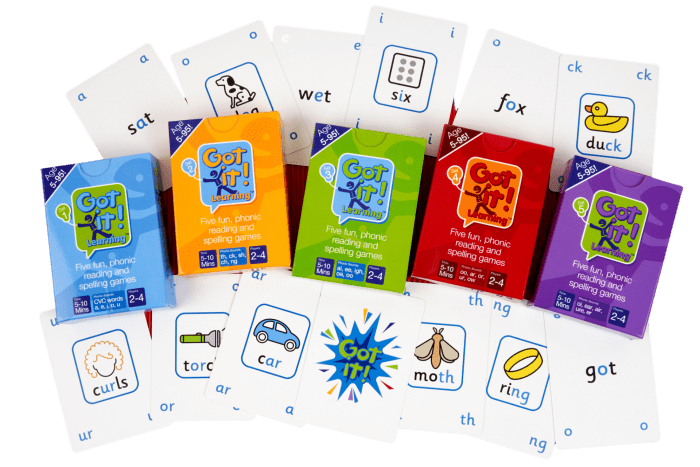
When it comes to homeschooling, incorporating educational card games into the curriculum can be a fun and effective way to enhance learning across various subjects. These games not only make learning more engaging but also help in improving retention and understanding of key concepts.
Math
Using card games like “Math War” or “Fraction Action” can help students practice math skills in a playful way. By incorporating these games into your lesson plans, you can make learning math more interactive and enjoyable for students.
Science
For science subjects, card games like “Biology Bingo” or “Chemical Compound Match” can be great tools for reinforcing scientific concepts and terminology. These games can be used as review activities or as a fun way to introduce new topics to students.
History
Incorporating card games like “Timeline Challenge” or “Historical Memory Match” can make studying history more dynamic and engaging. These games can help students remember key dates, events, and figures in a more interactive way.
Tips for Creating Lesson Plans
- Identify the learning objectives you want to achieve with the card game.
- Choose games that align with the subject matter and age group of your students.
- Integrate card games as review activities, warm-up exercises, or hands-on learning experiences.
- Provide clear instructions and rules for the game to ensure smooth gameplay.
- Encourage discussion and critical thinking during and after the game to deepen understanding.
Impact on Learning
Using card games in homeschool curriculum has shown to have a positive impact on improving retention and understanding of concepts. The interactive and hands-on nature of these games helps students engage with the material in a more meaningful way, leading to better comprehension and long-term memory retention.
Benefits of Educational Card Games for Homeschoolers
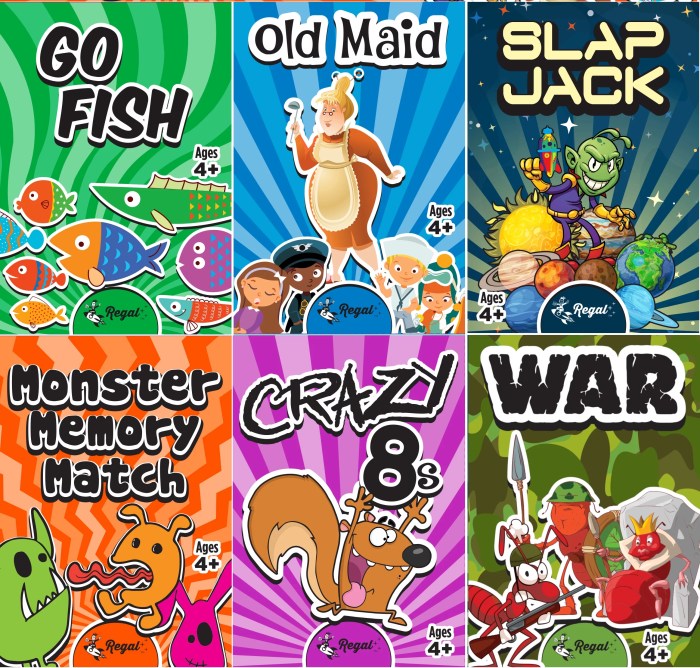
Educational card games offer numerous benefits for homeschoolers, beyond just being a fun activity. These games can help children develop essential cognitive skills and enhance their learning experience in a dynamic and engaging way.
Cognitive Skills Development
Playing educational card games can aid in the development of various cognitive skills in children. These games often involve memory, attention to detail, and strategic thinking, which can all contribute to enhancing a child’s cognitive abilities.
- Memory: Card games require players to remember rules, card positions, and strategies, which can improve memory retention and recall.
- Attention to Detail: By focusing on the specific details of cards and game rules, children can enhance their attention to detail skills, which are crucial for academic success.
- Strategic Thinking: Planning moves, predicting opponents’ actions, and adapting strategies in card games can help children develop strong strategic thinking skills.
Promotion of Critical Thinking, Problem-Solving, and Decision-Making Skills
Educational card games are excellent tools for promoting critical thinking, problem-solving, and decision-making skills in homeschoolers. These games require players to analyze situations, make quick decisions, and solve challenges within a set of rules, fostering essential skills for academic and real-life situations.
- Critical Thinking: Card games encourage players to think critically, evaluate options, and make informed choices, leading to improved critical thinking abilities.
- Problem-Solving: Facing challenges and obstacles in card games prompts children to think creatively and find effective solutions, enhancing their problem-solving skills.
- Decision-Making: Making decisions under pressure, considering consequences, and weighing options in card games can help children become better decision-makers in various contexts.
Success Stories and Testimonials, Educational card games for homeschoolers
Many homeschooling parents have witnessed positive results from incorporating educational card games into their curriculum. These parents have reported improvements in their children’s cognitive skills, critical thinking abilities, and overall academic performance, attributing these positive outcomes to the engaging and interactive nature of card games.
“Since introducing educational card games into our homeschool routine, I have noticed a significant improvement in my child’s memory retention and strategic thinking skills. It has made learning more enjoyable and effective.”
Homeschooling Parent
Designing Custom Educational Card Games
Creating custom educational card games tailored to specific learning objectives can be a fun and engaging way to enhance the homeschooling experience. By incorporating elements like rules, challenges, and rewards, you can make the learning process more interactive and enjoyable for students of all ages.
Steps to Design and Create Personalized Card Games
- Identify learning objectives: Determine the specific educational goals you want to achieve through the card game.
- Design game mechanics: Create rules and challenges that align with the learning objectives and make the game engaging.
- Develop game content: Design the cards with educational content such as math problems, vocabulary words, historical events, or scientific concepts.
- Playtest and iterate: Test the game with your homeschoolers to see how they engage with it, and make adjustments based on their feedback.
- Add rewards and incentives: Incorporate rewards such as points, badges, or prizes to motivate students to actively participate and learn.
Importance of Including Elements in Educational Card Game Design
- Rules: Clear rules help structure the game and provide a framework for learning.
- Challenges: Challenging tasks encourage critical thinking and problem-solving skills.
- Rewards: Incentives like rewards and recognition can motivate students to stay engaged and strive for success.
Insights on Making Learning Experience Fun and Interactive
Designing custom educational card games allows you to tailor the learning experience to the specific needs and interests of your homeschoolers. By incorporating elements like storytelling, teamwork, and hands-on activities, you can make the learning process more enjoyable and memorable.
Epilogue
In conclusion, educational card games serve as a valuable tool for homeschoolers to enhance learning outcomes and critical thinking skills. By incorporating these games into the curriculum, parents can create a dynamic and interactive learning environment that fosters creativity and problem-solving abilities in children.
Commonly Asked Questions
How can educational card games benefit homeschoolers?
Educational card games help improve retention, critical thinking, and problem-solving skills in children while making learning enjoyable.
Can card games be tailored to specific learning objectives?
Yes, custom educational card games can be designed to align with specific learning goals by incorporating rules, challenges, and rewards.