Active games for indoor recess bring a dose of excitement and movement to those indoor days. Discover the benefits, strategies, and safety measures to make these games engaging and safe for students.
Active games for indoor recess
Active games are a great way to keep students engaged and energized during indoor recess. Not only do they provide a fun break from regular classroom activities, but they also offer numerous benefits for physical and mental well-being.
List of popular active games:
- Simon Says: A classic game that challenges students to follow commands and stay focused.
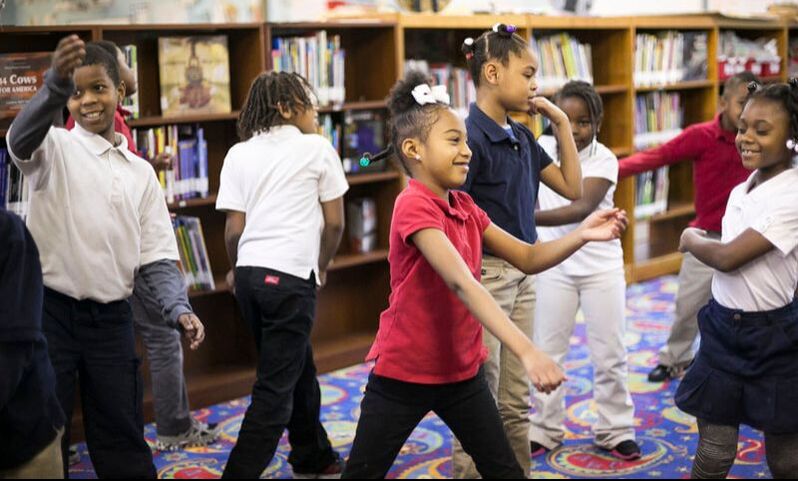
- Dance Party: Encourages movement and creativity as students dance to upbeat music.
- Indoor Obstacle Course: Set up a course using desks, chairs, and other classroom items for a fun physical challenge.
Benefits of incorporating active games:
Active games help improve students’ focus by allowing them to release pent-up energy, leading to better concentration in the classroom. Additionally, physical activity has been linked to improved mood and cognitive function, enhancing overall productivity.
Examples of active games with minimal equipment:
- Charades: Requires only imagination and creativity, making it a simple yet entertaining game for indoor recess.
- Fruit Basket: A game where students quickly switch seats, involving movement and quick thinking without any equipment.
Engaging students with active games
To encourage students to participate in active games during indoor recess, teachers can implement various strategies to make the experience more exciting and engaging. By incorporating a mix of different games and modifying traditional ones, educators can keep students interested and motivated to stay active even when indoors.
Creating a Variety of Active Games
Introducing a variety of active games can help maintain students’ interest and prevent boredom during indoor recess. Teachers can include games that involve different levels of physical activity, such as relay races, dance-offs, obstacle courses, or scavenger hunts. By offering a diverse range of options, students can choose activities that appeal to their preferences and abilities.
Modifying Traditional Games for Indoor Play
Teachers can modify traditional outdoor games to make them suitable for indoor play. For example, games like tag or Simon Says can be adapted to fit within the confines of a classroom or gymnasium. Setting boundaries and rules specific to the indoor environment can help ensure safety and maximize participation.
Additionally, incorporating props or equipment designed for indoor use can add a new twist to familiar games.
Making Active Games Exciting and Interactive
To make active games more exciting and engaging, teachers can incorporate elements of friendly competition, teamwork, and creative challenges. By dividing students into teams, setting goals, or introducing rewards for participation, educators can motivate students to actively engage in the games.
Encouraging students to come up with their variations or rules can also enhance the interactive and collaborative nature of the activities.
Importance of Variety and Innovation
It is essential to continually introduce new games and activities to maintain students’ interest and enthusiasm for indoor recess. By rotating through different games, incorporating seasonal themes, or experimenting with innovative game ideas, teachers can keep the experience fresh and appealing.
Variety and innovation not only prevent monotony but also encourage students to explore new ways of staying active and having fun indoors.
Safety measures and considerations
When organizing active games for indoor recess, it is crucial to prioritize the safety of students. Proper safety measures and considerations must be in place to prevent accidents and ensure a secure play environment.
Supervision and Monitoring
It is essential to have adequate supervision during active game sessions to prevent any potential accidents. Teachers or designated supervisors should actively monitor students to ensure they are following the rules and playing safely. Having a responsible adult present can help address any safety concerns promptly.
Creating a Safe Play Environment, Active games for indoor recess
To create a safe play environment within the indoor space, it is important to remove any obstacles or hazards that could cause accidents. Clearing the play area of any sharp objects, slippery surfaces, or tripping hazards can help minimize the risk of injuries.
Additionally, ensuring that the space is well-lit and properly ventilated can contribute to a safe and comfortable environment for students.
Adapting Games for Safety
When selecting and organizing active games, it is crucial to consider the age and abilities of the students to ensure that the games are age-appropriate and safe for all participants. Adapting games by modifying rules or equipment can help make them more suitable for the students’ skill levels and reduce the likelihood of accidents.
Prioritizing safety over competitiveness will help create an inclusive and secure play environment for all students.
Incorporating learning objectives
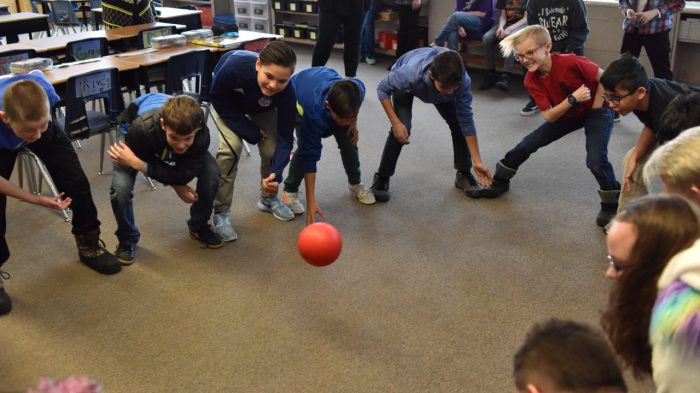
Active games can serve as valuable tools for aligning with educational goals and curriculum objectives. By incorporating learning components into these games, teachers can create a holistic approach to student development that combines physical activity with academic growth. This integration allows students to engage in learning in a fun and interactive way, making the educational experience more dynamic and effective.
Benefits of Integrating Learning Components
- Enhanced retention: By connecting academic concepts to physical movements, students are more likely to remember and understand the material.
- Multisensory learning: Active games engage different senses, reinforcing learning through various modalities.
- Improved focus: Physical activity can boost cognitive function and attention, leading to better academic performance.
Examples of Incorporating Subjects
- Math: Teachers can create games that involve counting, measuring distances, or solving math problems within a physical activity setting.
- Language Arts: Active games can incorporate vocabulary building, storytelling, or grammar exercises to enhance language skills.
- Science: Teachers can design games that explore scientific concepts through hands-on experiments or simulations, making learning more experiential.
Debriefing Sessions for Reinforcement
- After playing active games, teachers can hold debriefing sessions to reinforce learning concepts in a fun and interactive way.
- Through discussions, reflections, and quizzes related to the game’s educational components, students can solidify their understanding of the material.
- Debriefing sessions also provide an opportunity for teachers to assess student comprehension and tailor future lessons accordingly.
Final Wrap-Up: Active Games For Indoor Recess
From promoting focus to aligning with educational goals, active games for indoor recess offer a holistic approach to student development. Keep the fun going while learning with these interactive games!
FAQ Section
Are there any benefits to playing active games during indoor recess?
Absolutely! Active games help students stay physically active, improve focus, and boost productivity in the classroom.
How can teachers encourage students to participate in active games?
Teachers can make games more exciting by adding variety, modifying traditional games, and incorporating learning objectives to keep students engaged.
What safety measures should be considered when organizing active games?
It’s important to supervise students, create a safe play environment, and ensure all games are age-appropriate and safe for all participants.
How can active games be aligned with educational goals?
Teachers can integrate subjects like math, language arts, or science into games and reinforce learning concepts through debriefing sessions after play.